The Kossaks: Heritage, Seriality, and Contemporary Questions of Authenticity
Four generations of the Kossak family built one of Poland's most recognizable artistic brands. But popularity and serial production created modern challenges for authentication, attribution, and market valuation that continue today.
A Polish Art Dynasty Like No Other
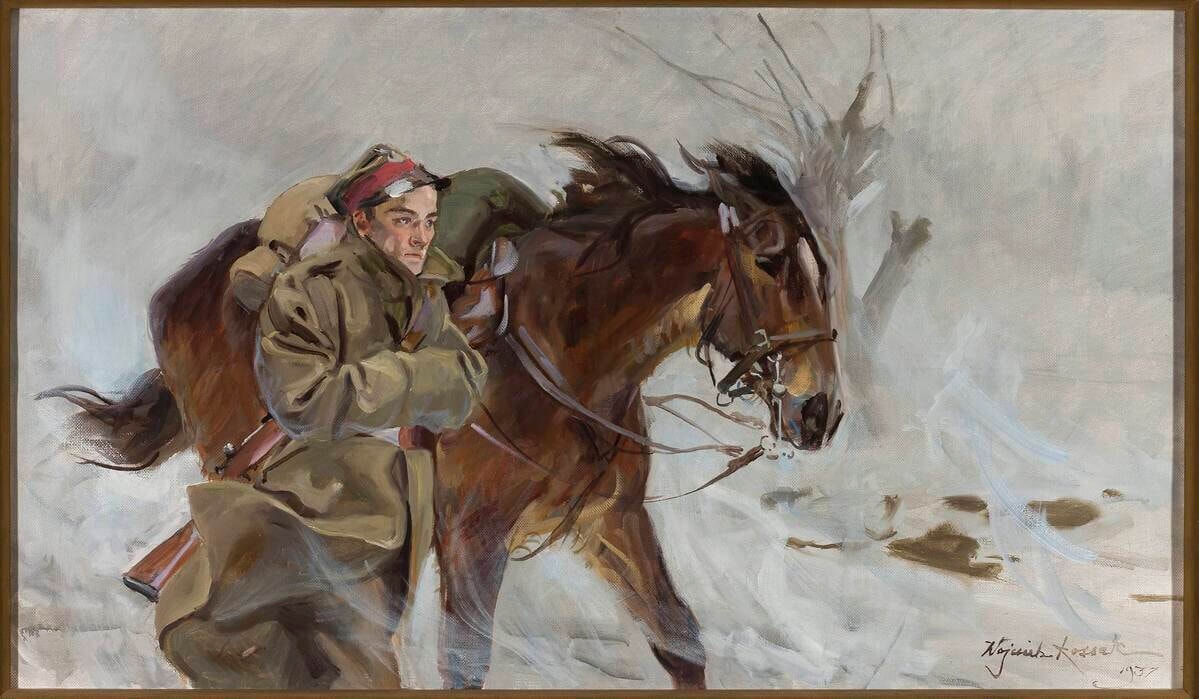
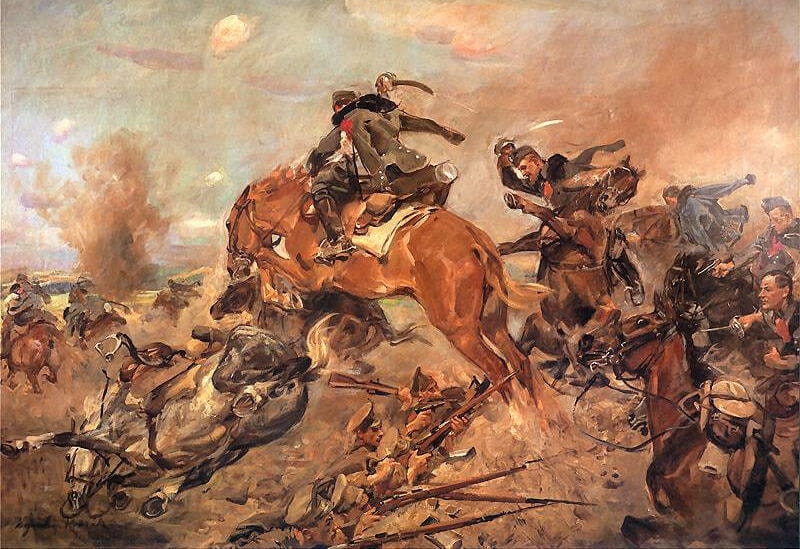
In Polish art history, it is difficult to find a more recognizable emblem than the horses of the Kossak family. From Juliusz, through Wojciech and Jerzy, to Karol, four generations of painters built a distinctive style that audiences embraced and the market continues to eagerly acquire. At the same time, the women of the family-Maria Pawlikowska-Jasnorzewska and Zofia Kossak-Szczucka-strengthened the dynasty's literary lineage.
This combination of talent, popularity, and market "liquidity," however, also produced side effects: serial image production, hybrid authorship, and contemporary attribution challenges faced by auction houses, collectors, and insurers alike. Understanding this history is essential for anyone working with Kossak paintings today, whether as collectors, experts, or market professionals.
The story of the Kossaks is not merely about artistic achievement-it's a case study in how popularity, market demand, and workshop practices can create lasting complications for authentication and valuation in the contemporary art market.
From Juliusz's Watercolors to Wojciech's Panoramas
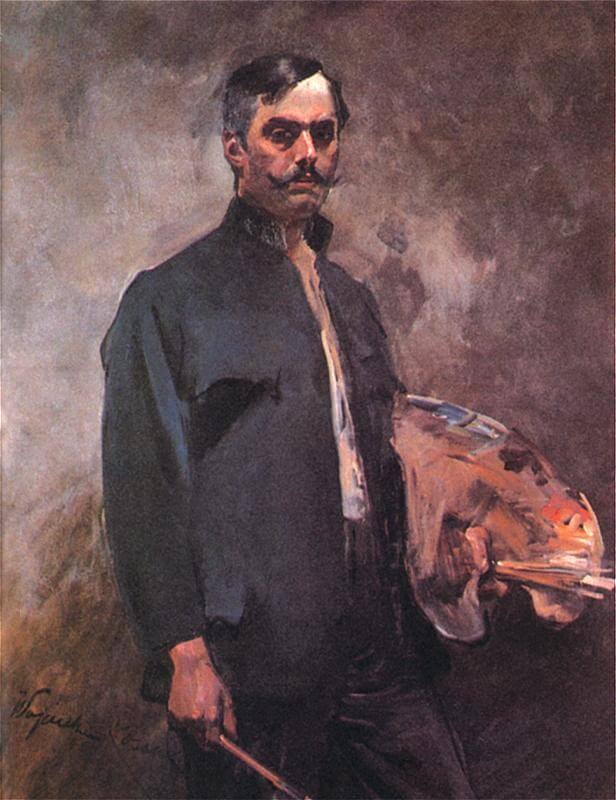
Wojciech Kossak - Self-portrait with Palette (Public Domain, Wikimedia Commons)• Source
Juliusz Kossak (1824-1899) established the family brand through watercolors, battle scenes, and exceptional portraits of horses. His artistic salon at the Kraków Kossakówka connected artistic production with a network of patrons and audiences-a distribution model that naturally encouraged repetition of motifs and intensified in subsequent generations.
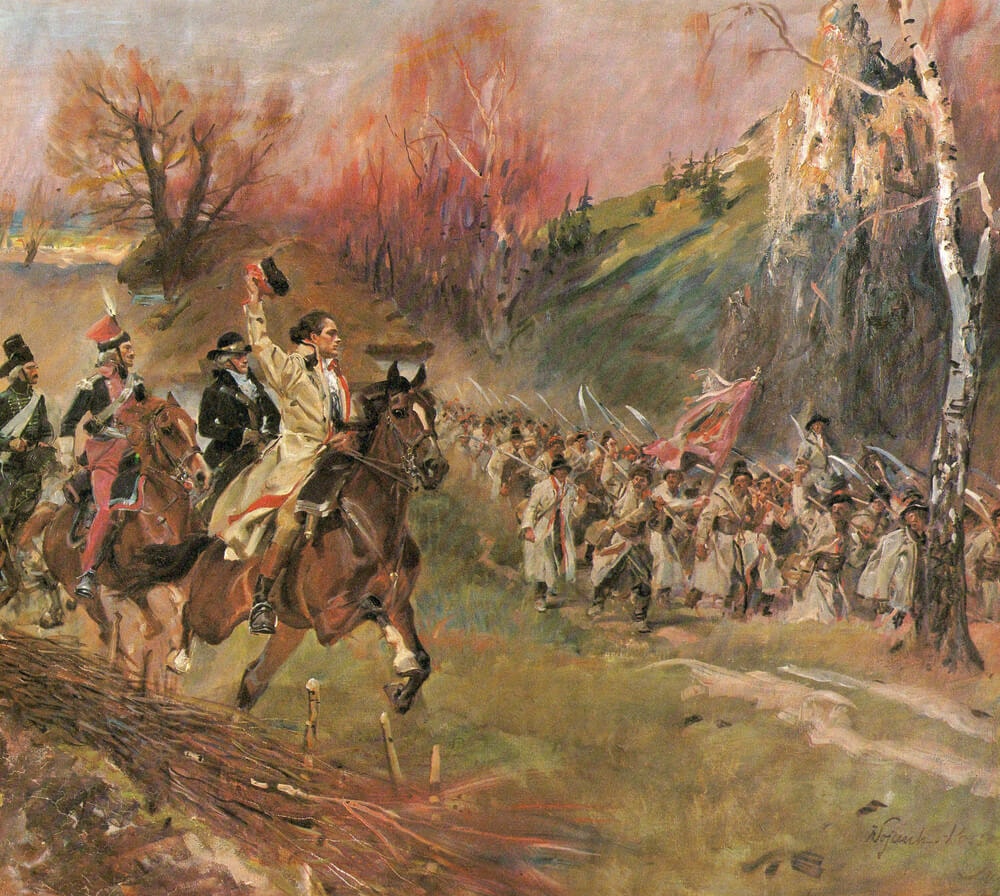
Wojciech Kossak (1856-1942) created what could be described as a "painting institution": panoramas, court commissions, portraits, and monumental historical canvases. As early as 1890-1910, accusations of "serial production" followed him-returns to proven compositions and their variants. From 1921 onward, he maintained a studio at the Bristol Hotel in Warsaw, ensuring a steady flow of commissions.
For the market, this was an advantage: a recognizable product, short turnaround times, and predictable aesthetics. For critics, it was a source of ongoing controversy. Auction data confirms sustained demand. Wojciech's works regularly appear in catalogs, achieving prices ranging from tens of thousands to over one hundred thousand PLN. These results constitute an important benchmark for insurers and collection advisors.